Practical Measures to Improve Your Personal Security at Home
Your home should be a place of comfort, privacy, and safety. Yet personal security at home is something many people only think about after an incident occurs. Improving your home security doesn’t require turning your house into a fortress; instead, it involves thoughtful planning, smart habits, and layered protection. By combining awareness, physical safeguards, and modern technology, you can significantly reduce risks and create a safer living environment for you and your family.
Situational Awareness: Your First Line of Defense
Personal security begins with awareness. Understanding what is normal around your home allows you to recognize when something feels out of place. This includes noticing unfamiliar vehicles parked for long periods, unexpected visitors, or unusual noises at odd hours.
Varying daily routines can also reduce predictability. Leaving and returning at different times, using different routes, and avoiding oversharing personal schedules on social media all limit opportunities for someone to exploit patterns. Trust your instincts—if something feels wrong, it’s worth paying attention. Awareness costs nothing, yet it remains one of the most effective personal security tools available.
Most home intrusions occur through doors and windows, making them a critical focus for security improvements. Exterior doors should be solid-core or metal and equipped with high-quality deadbolt locks. Reinforcing strike plates with longer screws that anchor into wall studs can greatly increase resistance to forced entry.
Windows should have functional locks and may benefit from security film that makes glass harder to shatter. Sliding glass doors, often considered weak points, should include a security bar or dowel in the track. Don’t overlook garage doors, basement windows, or side entrances—these secondary access points are frequently targeted because they are less visible.
Criminals prefer darkness and concealment. Proper exterior lighting reduces these advantages while increasing visibility for homeowners and neighbors. Motion-activated lights near doors, garages, walkways, and backyards can startle intruders and alert you to unexpected movement.
Inside the home, using timers or smart lighting systems can create the appearance of occupancy when you are away. Landscaping also plays a role—trim hedges and shrubs near windows and doors to eliminate potential hiding spots. A well-lit, well-maintained property sends a strong message that the home is actively cared for and monitored.
Leverage Modern Home Security Technology
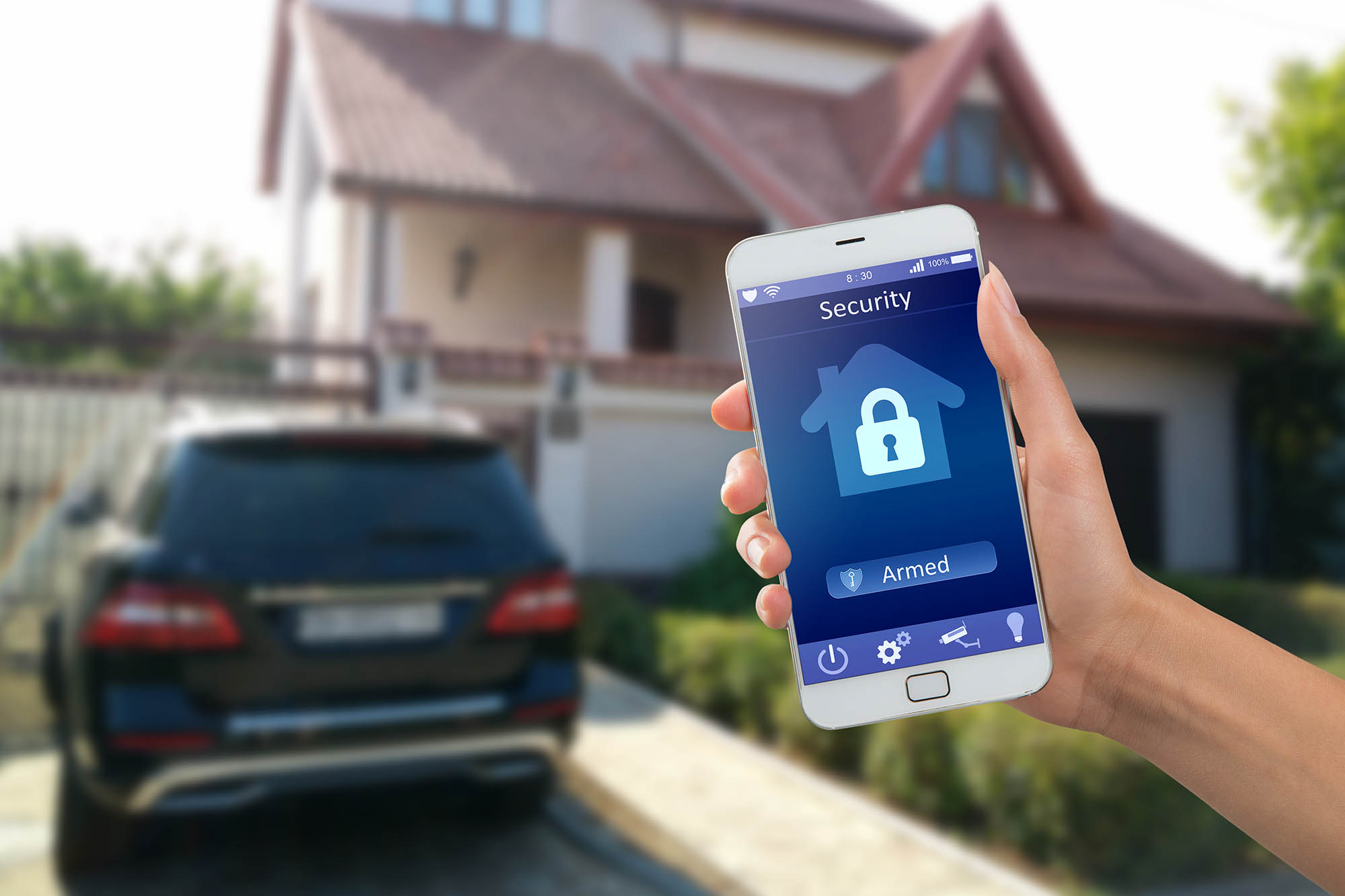
Advances in technology have made home security more accessible than ever. Alarm systems with door and window sensors can provide immediate alerts during unauthorized entry. Even basic systems act as strong deterrents when clearly visible.
Security cameras offer real-time monitoring and recorded footage that can be valuable for both prevention and investigation. Video doorbells allow homeowners to see and communicate with visitors remotely, reducing the need to open the door to unknown individuals. Smart locks add convenience while allowing you to control access and monitor entry activity. When using technology, ensure devices are updated regularly and secured with strong passwords to prevent digital vulnerabilities.
Hardware and technology are only effective when paired with good habits. Always lock doors and windows, even when you’re home. Avoid opening the door to strangers without verifying who they are through a peephole, window, or camera system.
Be cautious with personal information. Posting vacation plans or real-time location updates online can signal that a home is unoccupied. Teach all household members, including children, basic security practices such as not sharing information with strangers and knowing how to respond if something feels wrong.
Create Emergency Plans and Safe Areas
Preparation plays a critical role in personal security. Every household should have an emergency plan that covers scenarios such as break-ins, fires, or medical emergencies. Identify safe areas where occupants can retreat if necessary, ideally rooms with solid doors, locks, and limited entry points.
Keep a charged phone nearby at night and consider having emergency numbers easily accessible. Practicing basic responses ahead of time reduces panic and improves decision-making during stressful situations.
Security doesn’t stop at your front door. Strong neighborhood connections can significantly improve overall safety. Knowing your neighbors makes it easier to recognize unusual activity and creates opportunities to look out for one another.
Participating in neighborhood watch programs or informal communication groups can help residents share concerns quickly. Simple actions—such as collecting mail for a neighbor who is away or reporting suspicious behavior—reduce opportunities for crime and reinforce a sense of shared responsibility.
Reduce Visibility of Valuables
What can be seen can become a target. Keep valuables out of view from windows and doors, including electronics, jewelry, and personal documents. When receiving packages, retrieve them promptly to avoid advertising deliveries.
When disposing of packaging from expensive items, break down boxes and conceal brand names. Consider using a home safe to protect important documents, cash, and sentimental items. These measures limit potential losses and reduce incentives for theft.
Maintain Nighttime Security Routines
Nighttime often presents increased security risks due to reduced visibility and awareness. Establish a nightly routine that includes locking doors and windows, setting alarm systems, and turning on exterior lights.
Keep hallways and exits clear to allow safe movement if needed, and ensure bedrooms provide adequate privacy and security. Pets, particularly dogs, can also act as effective early-warning systems by alerting homeowners to unusual sounds or movement.
Improving personal security at home is not about relying on a single solution. The most effective approach combines awareness, physical barriers, smart technology, and consistent habits. Each layer strengthens the others, creating a comprehensive system that discourages threats and improves response capability.
By regularly assessing your home, updating security measures, and maintaining a proactive mindset, you can greatly enhance safety and peace of mind. Personal security is an ongoing process, and small, thoughtful improvements today can make a meaningful difference tomorrow.